Bridges in Film: 10 Cinematic Crossings and Why Directors Love Them
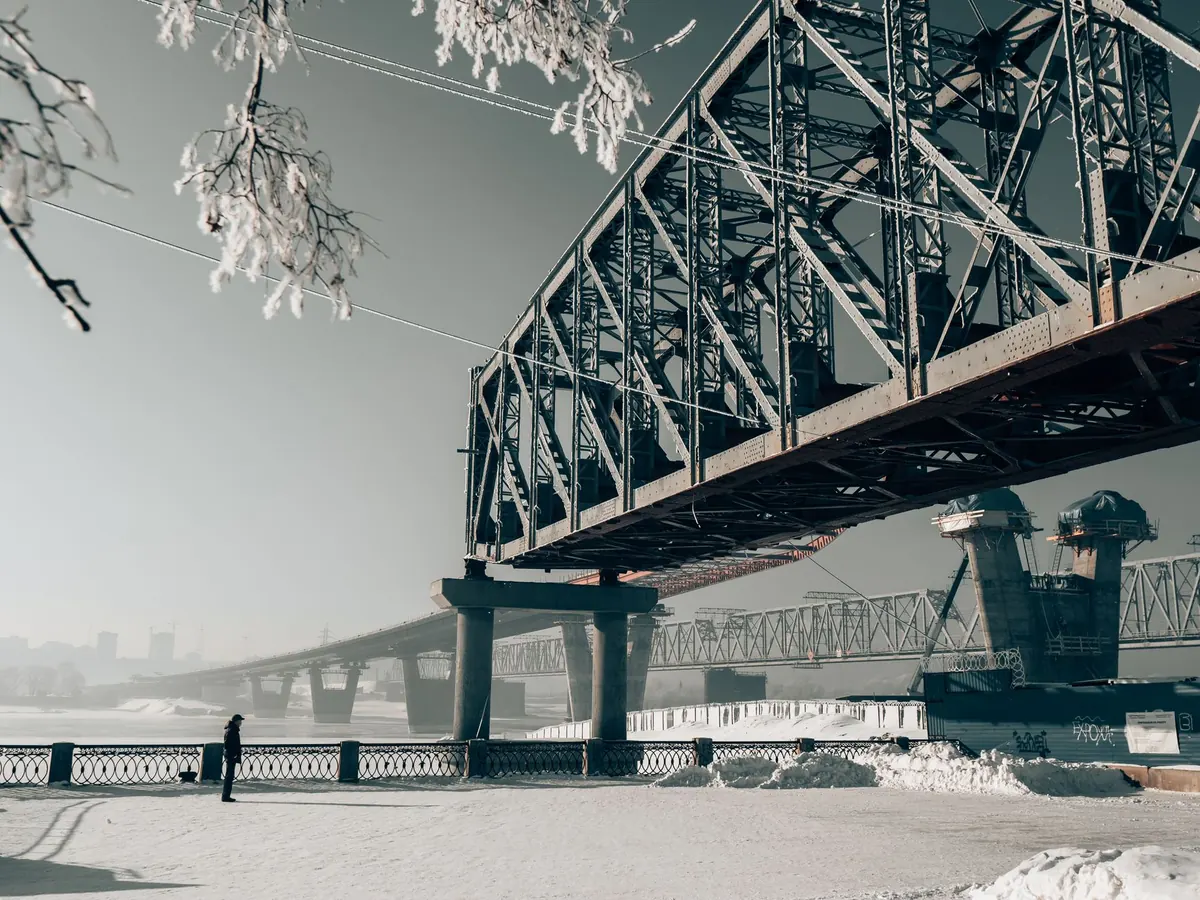
A bridge is the rare piece of engineering that arrives on screen already carrying meaning. It is a doorway, a tightrope, a border, a stage, a place where two sides finally meet — or where somebody decides not to cross. Directors know this, which is why the same few structural ideas keep returning: the span, the railing, the drop beneath, the narrow deck. A car chase and a break-up can both happen on a bridge, and both can feel inevitable. What follows is a look at ten crossings that earned their place in the frame, and at the handful of techniques that make a bridge so useful once the camera starts rolling.
Why Bridges Suit the Camera So Well
Start with the obvious: a bridge is legible. You can see both ends of it, which means an audience instantly understands who is coming, who is waiting, and how much ground lies between them. Very few locations give a filmmaker that much information for free.
Then there is compression. A deck narrows the frame. Two people who have been avoiding each other for ninety minutes suddenly have nowhere to stand but next to each other, and a car that would normally escape has nowhere to turn. Bridges are bottlenecks, and bottlenecks are drama.
Height does the rest. A railing is simultaneously a safety feature and a threat, and any shot that includes a long drop below it costs the director nothing and buys a great deal of tension. A character who looks down is telling you something. A character who refuses to look down is telling you more.
Finally, bridges take time to cross. That sounds trivial until you realise it gives a scene a built-in clock: the walk has to end, the train has to arrive, the exchange has to happen. And because a bridge is a public place, anything private that happens there feels stolen rather than staged — a confession on a sidewalk is ordinary, a confession halfway across a span is not.
Ten Cinematic Crossings
- The Bridge on the River Kwai (1957). David Lean builds his bridge twice — first in bamboo, then in steel — and lets Colonel Nicholson's pride attach itself to the structure. The final explosion lands because we have watched the thing being assembled, plank by plank. The bridge is not scenery here; it is the argument.
- It's a Wonderful Life (1946). George Bailey stands on the Bedford Falls bridge at the lowest point of his life, and Clarence jumps in first. The crossing marks the line between despair and a second chance, and the snowy town on the far side does the rest of the work.
- Vertigo (1958). Hitchcock treats the Golden Gate Bridge as a horizon Scottie can never quite reach. Madeleine's plunge into the bay beneath it sets the plot in motion, and the bridge's impossible scale keeps echoing the film's obsession with falling.
- Manhattan (1979). Two people sit on a bench under the Queensboro Bridge at dawn. The shot is close to a silhouette, and the structure carries the emotion: two small figures under an enormous span, the city still half awake.
- Stand by Me (1986). Four boys cross a railroad trestle and a train arrives. It is a compact lesson in using a bridge as a rite of passage — the deck is narrow, the drop is real, and the only exit is forward.
- Apocalypse Now (1979). At the Do Long bridge, nobody is in charge, the lights burn for no reason, and soldiers fight over a span that keeps being rebuilt. A real crossing becomes a picture of the war's logic, or its absence.
- The Lord of the Rings: The Fellowship of the Ring (2001). The Bridge of Khazad-dûm is barely wide enough for one wizard. A fictional stone span gives the film its most quoted standoff and its most literal fall — the narrowest place in Middle-earth.
- Spider-Man (2002). The Queensboro Bridge sequence hands Peter an impossible choice between a tram full of children and Mary Jane. Raimi stages it on a public landmark because a rescue on a bridge is visible to an entire city, and that visibility is the point.
- Harry Potter and the Half-Blood Prince (2009). Death Eaters destroy the Millennium Bridge, a real London crossing that had opened only a few years earlier. The scene is short, but the message is instant: even the newest, most ordinary piece of civic furniture is fair game.
- Bridge of Spies (2015). The Glienicke Bridge between Potsdam and Berlin really was a Cold War exchange point. Spielberg treats the centre line as a physical border, and two men walking slowly toward each other supplies all the tension the scene needs.
What to Notice on a Second Viewing
Bridge scenes reward close watching, because most of the decisions are spatial rather than verbal. Next time one comes up, keep half an eye on these:
- Where the camera sits. On the deck, the bridge becomes a corridor and the story turns into a walk. Below the span, it becomes a ceiling, and the characters look trapped. From a distance, it becomes a diagram of the whole film.
- What the sound is doing. Bridges are loud in a very specific way — wind through cables, tyres on expansion joints, water underneath. Directors use that noise to smother dialogue when they want a conversation to fail.
- Who is waiting at each end. A crossing is a negotiation with two parties, even if one of them never speaks. Watch how the film cuts between the two banks before the meeting.
- Whether anyone looks down. A glance over the railing is a small confession. A refusal to glance is a bigger one.
- How long the crossing takes. Count the cuts. A director who stretches a crossing is buying suspense; one who compresses it is telling you the character was never really in danger.
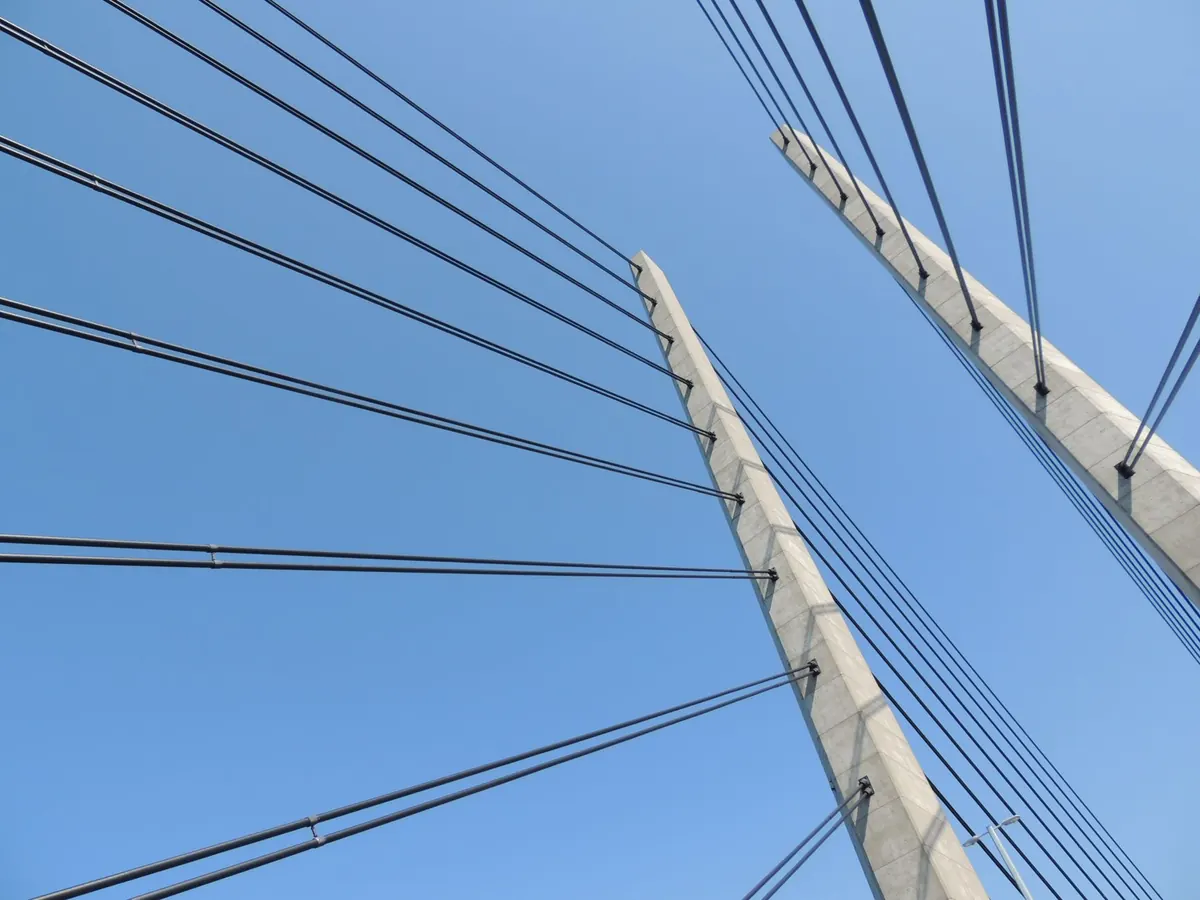
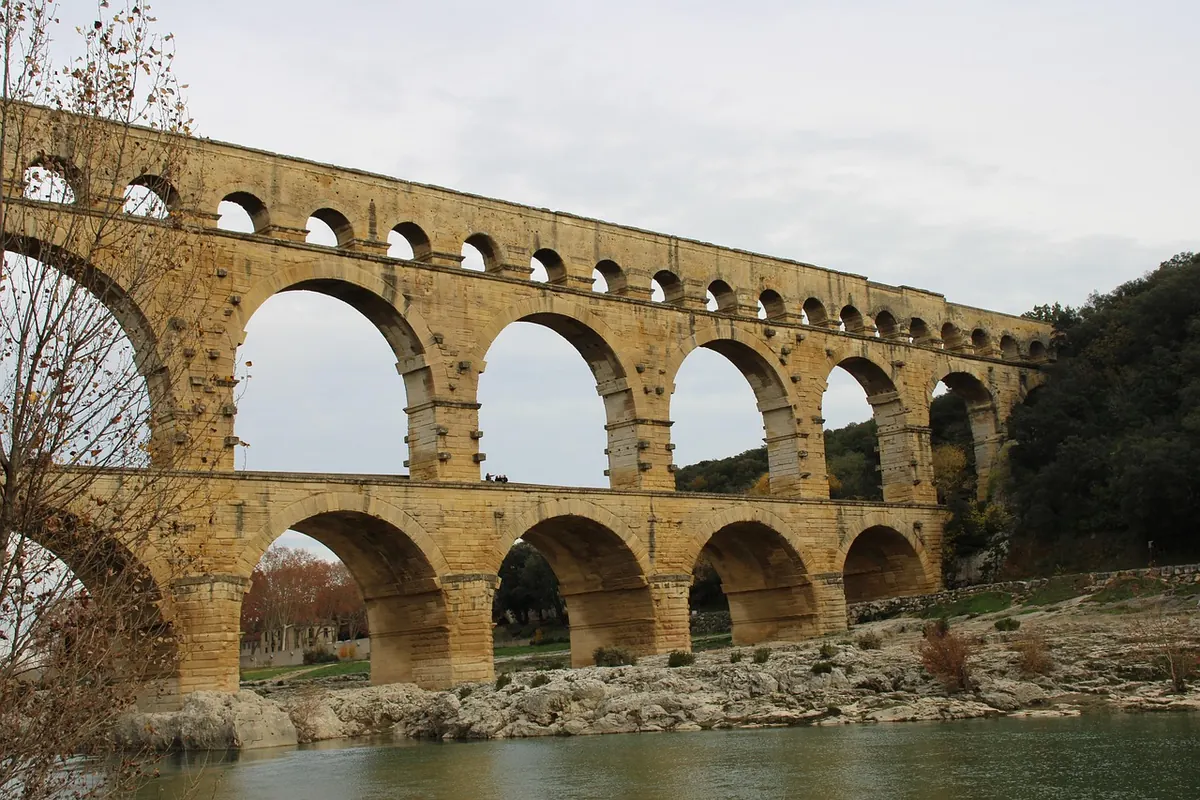
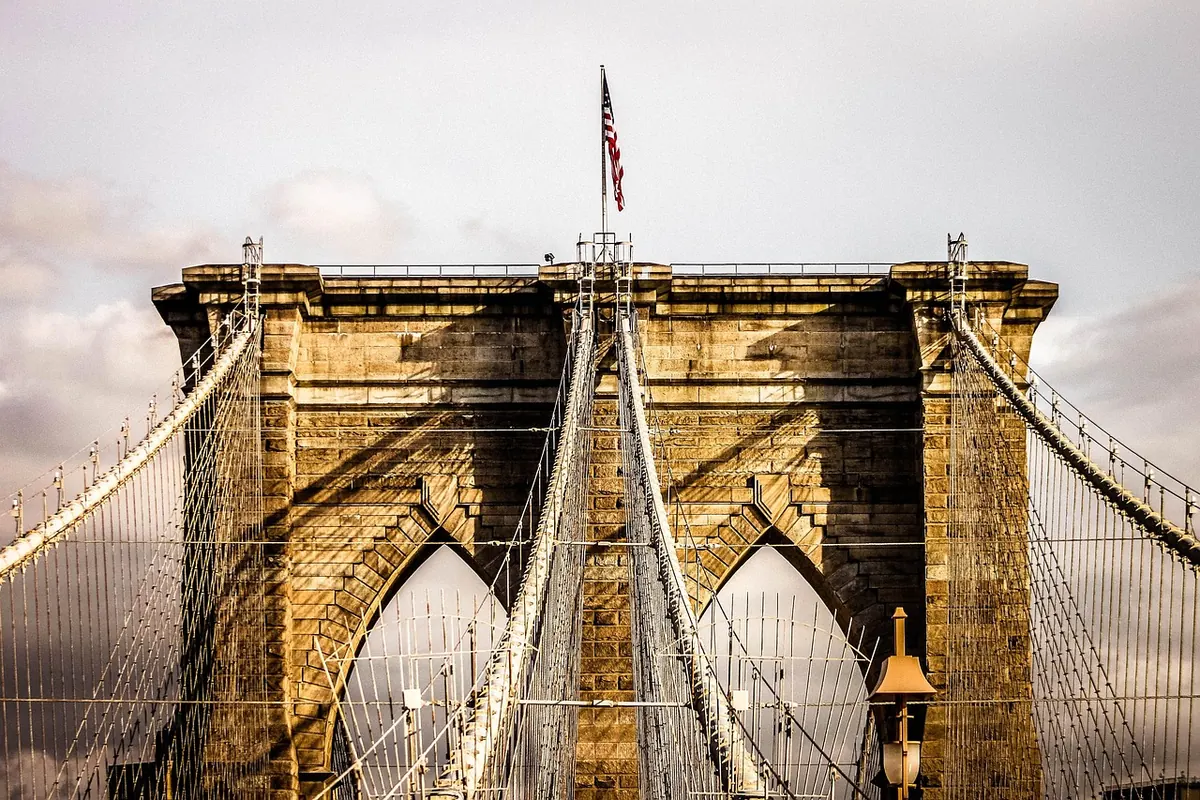
There is also the question of what the bridge is made of. Steel and cable suggest a world of engineering and control; stone and rope suggest something older and less reliable. A suspension bridge hums, a stone arch holds its breath. None of that is accidental, and none of it needs a line of dialogue to register.
A Practical Way to Watch These Scenes
Pick three crossings from the list above and watch each one twice — once normally, once with the sound off for sixty seconds. Without dialogue, the staging becomes obvious: who is placed nearer the railing, who is framed against the sky, how much empty deck sits between them. Then look up where the sequence was actually shot. Some are the real thing, as with the Millennium Bridge and the Glienicke; others are sets or composites, as with Lean's bridge, built full-size in what is now Sri Lanka. Knowing the difference sharpens your eye for what a production chose to construct rather than find.
Keep a small note of the bridges you notice in films — the name, the scene, the shot you remember. After a dozen entries, patterns appear, and you will start spotting crossings in films that never announce them. That is the moment a piece of infrastructure turns into a way of reading a story, which is exactly what a good director saw in it first.
Photo: Sergei Skrynnik / Pexels